
Bulkhead Seal for Tonneau Cover: Complete Guide to Waterproof Protection
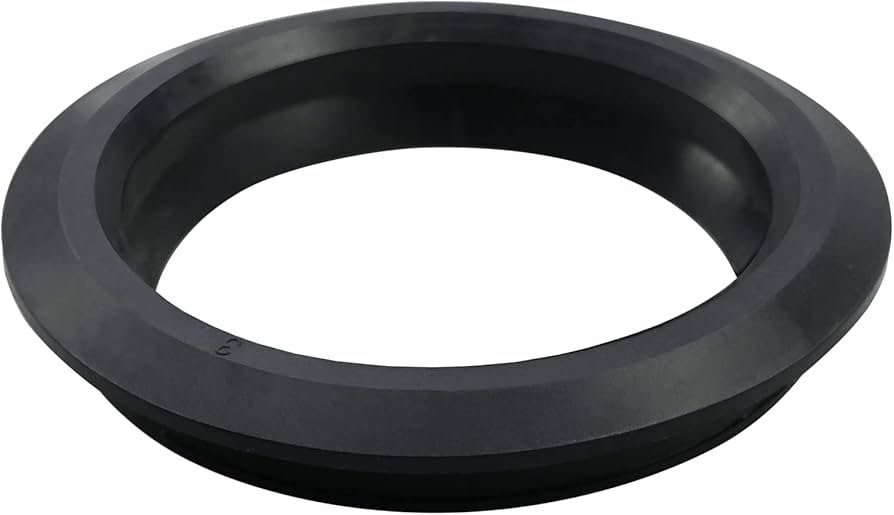
Universal Rubber Bulkhead Seal
Premium EPDM rubber construction provides exceptional weatherproofing for all tonneau cover types. Features dual-lip design with flexible mounting system for secure installation across various truck bed configurations and tonneau cover styles.
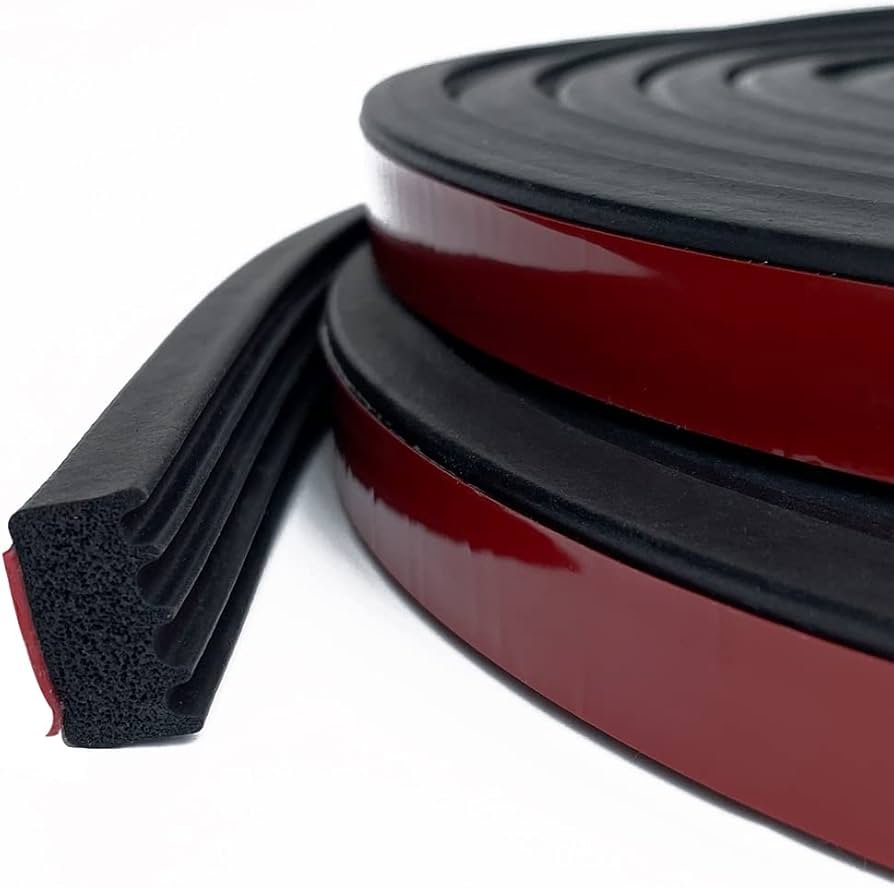
Heavy-Duty Foam Bulkhead Seal
High-density foam seal engineered for maximum compression resistance and long-term durability. Self-adhesive backing ensures quick installation while maintaining superior sealing performance against water, dust, and debris infiltration.
Understanding Bulkhead Seal for Tonneau Cover Applications
A bulkhead seal for tonneau cover systems serves as the critical barrier between your truck bed and the external environment. This specialized sealing component prevents water, dust, dirt, and debris from penetrating the junction where your tonneau cover meets the truck bed bulkhead.
The bulkhead area represents one of the most vulnerable points in any tonneau cover installation. Without proper sealing, even the highest-quality cover can allow moisture and contaminants to enter your truck bed, potentially damaging valuable cargo or equipment stored beneath.
Modern bulkhead seal for tonneau cover designs incorporate advanced materials and engineering to withstand extreme weather conditions while maintaining flexibility for easy installation and removal. These seals must accommodate the constant opening and closing motions of tonneau covers while preserving their sealing integrity over thousands of cycles.
Proper selection and installation of your bulkhead seal for tonneau cover ensures optimal performance from your entire truck bed protection system. The seal works in conjunction with other tonneau cover components to create a comprehensive weatherproof barrier that keeps your cargo dry and secure.
Types of Bulkhead Seals for Different Tonneau Cover Systems
Rubber Bulkhead Seals
Rubber-based bulkhead seal for tonneau cover applications offers superior durability and weather resistance. EPDM rubber formulations provide excellent UV stability and maintain flexibility across wide temperature ranges, making them ideal for year-round outdoor exposure.
These seals typically feature either single or dual-lip designs, with dual-lip configurations providing enhanced sealing performance. The primary lip creates the initial barrier while the secondary lip provides backup protection against any moisture that might bypass the first seal.
Foam Bulkhead Seals
Foam bulkhead seal for tonneau cover installations excels in applications requiring high compression and conformability. The cellular structure of quality foam seals allows them to compress significantly while maintaining their sealing force against irregular surfaces.
High-density foam formulations resist permanent compression set, ensuring the seal maintains its original thickness and sealing capability even after extended use. Many foam seals include adhesive backing for simplified installation without requiring mechanical fasteners.
Hybrid Seal Systems
Some premium bulkhead seal for tonneau cover systems combine multiple materials to optimize performance. These might include a foam core for compression with a rubber outer layer for weather resistance, or integrated metal reinforcement for enhanced durability in heavy-duty applications.
Advanced hybrid designs often incorporate specialized clamping mechanisms that work together with the seal material to ensure consistent pressure distribution across the entire sealing surface.
Installation Guide for Bulkhead Seal for Tonneau Cover
Preparation Steps
Proper installation of your bulkhead seal for tonneau cover begins with thorough cleaning of all mounting surfaces. Remove any old seal material, adhesive residue, dirt, or corrosion from the truck bed bulkhead area where the new seal will be installed.
Measure the bulkhead perimeter accurately to ensure you have sufficient seal material for complete coverage. Most seals can be trimmed to length, but having precise measurements prevents waste and ensures proper fit.
Installation Process
Position your bulkhead seal for tonneau cover along the mounting surface, ensuring proper alignment with the cover’s sealing edge. For adhesive-backed seals, remove the protective backing gradually as you press the seal into position to prevent air bubbles or misalignment.
Mechanically fastened seals require drilling pilot holes according to the manufacturer’s specifications. Use appropriate fasteners for your truck’s bulkhead material, whether steel, aluminum, or composite construction.
Final Adjustments
After installation, test the bulkhead seal for tonneau cover by closing and opening the cover several times. The seal should compress evenly without binding or creating excessive resistance. Adjust positioning as needed to achieve uniform contact pressure.
Verify that the seal doesn’t interfere with any existing truck accessories or create gaps that could compromise the weatherproof barrier. Proper installation ensures maximum service life and sealing performance.
Maintenance and Replacement of Bulkhead Seals
Regular Inspection Schedule
Inspect your bulkhead seal for tonneau cover monthly for signs of wear, damage, or degradation. Look for cracks, tears, permanent compression, or areas where the seal has pulled away from its mounting surface.
Pay particular attention to corners and high-stress areas where the seal experiences the most movement during cover operation. These locations typically show wear first and may require more frequent attention or replacement.
Cleaning and Care
Clean your bulkhead seal for tonneau cover regularly using mild soap and water to remove accumulated dirt, salt, and other contaminants that can accelerate degradation. Avoid petroleum-based cleaners that can damage rubber and foam materials.
Apply appropriate protectants designed for your seal material type. Rubber seals benefit from UV protectants, while foam seals may require different treatment products to maintain their cellular structure and flexibility.
Replacement Indicators
Replace your bulkhead seal for tonneau cover when you notice water infiltration, permanent compression that doesn’t recover, or visible cracking and deterioration. Don’t wait until complete failure occurs, as damaged seals can allow moisture to reach sensitive truck bed components.
Consider upgrading to higher-performance seal materials if your current bulkhead seal for tonneau cover isn’t meeting your durability or sealing requirements. Modern formulations often provide significant improvements over older seal technologies, especially when integrated with quality replacement components.
Choosing the Right Bulkhead Seal for Your Tonneau Cover
Material Selection Criteria
Select your bulkhead seal for tonneau cover based on your specific operating environment and performance requirements. Consider factors like temperature extremes, UV exposure, chemical exposure from road salt or cleaning products, and frequency of use.
EPDM rubber excels in most standard applications, offering excellent weather resistance and durability. For extreme temperature environments or chemical exposure, consider specialized compounds designed for these challenging conditions.
Compatibility Considerations
Ensure your chosen bulkhead seal for tonneau cover is compatible with your specific cover type and truck bed configuration. Different tonneau cover styles may require different seal profiles or mounting methods for optimal performance.
Roll-up tonneau covers often require more flexible seals that can accommodate the cover’s movement, while rigid covers may work better with firmer seal materials that provide consistent compression.
Performance Features
Look for advanced features in your bulkhead seal for tonneau cover selection, such as integrated drainage channels, multiple sealing lips, or reinforced mounting areas. These features can significantly improve long-term performance and reduce maintenance requirements.
Consider seals with proven track records in commercial or heavy-duty applications if your truck sees frequent use or challenging operating conditions. The additional cost of premium materials often pays for itself through extended service life and reduced replacement frequency.
Troubleshooting Common Bulkhead Seal Issues
Water Infiltration Problems
If your bulkhead seal for tonneau cover is allowing water penetration, first verify that the seal is properly positioned and making full contact with the cover’s sealing surface. Misalignment during installation is a common cause of sealing failures.
Check for damage or wear that might create gaps in the sealing barrier. Even small nicks or tears can allow significant water infiltration, especially during heavy rain or high-pressure washing.
Compression and Fit Issues
Excessive compression of your bulkhead seal for tonneau cover can indicate improper seal selection or installation problems. Over-compressed seals may cause difficulty opening and closing the cover while potentially reducing seal life.
Insufficient compression suggests the seal may be too thin, improperly positioned, or compressed beyond its recovery capability. Verify that your seal specifications match your application requirements and mounting configuration.
Temperature-Related Performance
Cold weather can cause some bulkhead seal for tonneau cover materials to stiffen, potentially affecting sealing performance or making cover operation more difficult. This is normal for most materials but may indicate the need for cold-weather formulations in extreme climates.
High-temperature environments can cause seal degradation, permanent compression, or adhesive failure. Ensure your selected seal material is rated for your expected operating temperature range and consider additional ventilation or protection if necessary.
Maximizing Your Tonneau Cover Protection
Selecting and maintaining the right bulkhead seal for tonneau cover applications is essential for protecting your truck bed investment and cargo. Quality seals provide years of reliable service when properly installed and maintained, preventing costly damage from water infiltration and environmental contamination.
Regular inspection and timely replacement of your bulkhead seal for tonneau cover ensures optimal performance from your entire truck bed protection system. Don’t overlook this critical component – a failing seal can compromise even the most expensive tonneau cover system.
Invest in quality materials and proper installation techniques for your bulkhead seal for tonneau cover needs. The modest cost of premium sealing components pays dividends through extended service life, reduced maintenance requirements, and superior protection for your valuable cargo.
Whether you’re replacing a worn seal or upgrading your current system, choosing the right bulkhead seal for tonneau cover applications ensures years of reliable, weatherproof protection for your truck bed and everything you carry in it.